Get Piping Replacement
Piping replacement services help property owners fix or upgrade old, damaged, or leaking pipes through projects like residential or commercial plumbing upgrades.
If property owners are considering piping replacement, they’re likely exploring options to improve the safety, efficiency, and reliability of their plumbing systems. Whether dealing with aging pipes, persistent leaks, or outdated materials, choosing the right local contractors can make a significant difference in planning a successful project. This process involves evaluating available services, understanding the scope of work, and selecting experienced providers who can deliver quality results tailored to specific property needs. Staying informed about local options helps ensure that the project aligns with both practical requirements and long-term maintenance goals.
Exploring piping replacement services in the area is a practical step for property owners aiming to maintain or upgrade their plumbing infrastructure. Comparing local contractors allows for a clearer understanding of the available expertise and service offerings, helping to identify providers with the right experience for the job. As property conditions vary, taking the time to research and connect with qualified service providers can lead to a smoother project process and a more durable, efficient plumbing system. Keep reading to learn more about how local professionals can assist with piping replacement needs.
- Residential piping replacement - needed when aging or damaged pipes cause leaks or low water pressure in homes.
- Commercial piping upgrades - required during building renovations or when existing pipes no longer meet safety standards.
- Emergency pipe repairs - necessary when sudden pipe failures result in flooding or water damage.
- Industrial piping replacement - needed for process systems that have corroded or become obsolete in industrial facilities.
- Main water line replacement - required when the main line is leaking, broken, or no longer efficiently supplies water to a property.
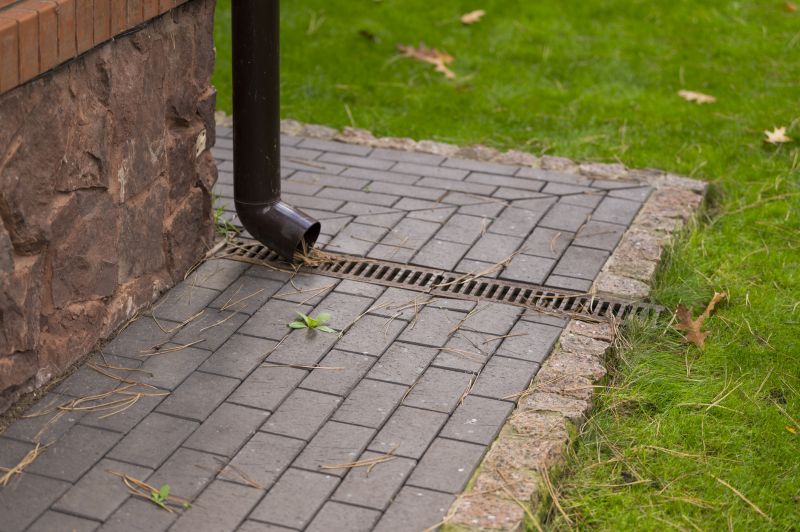
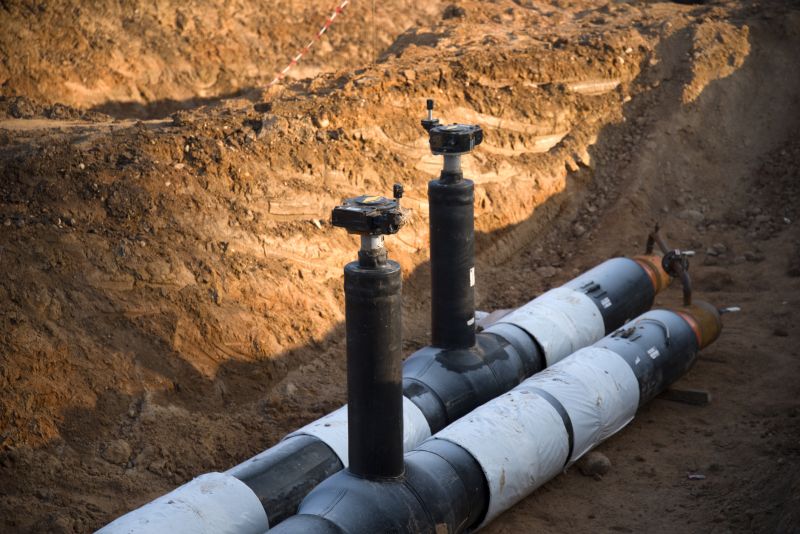
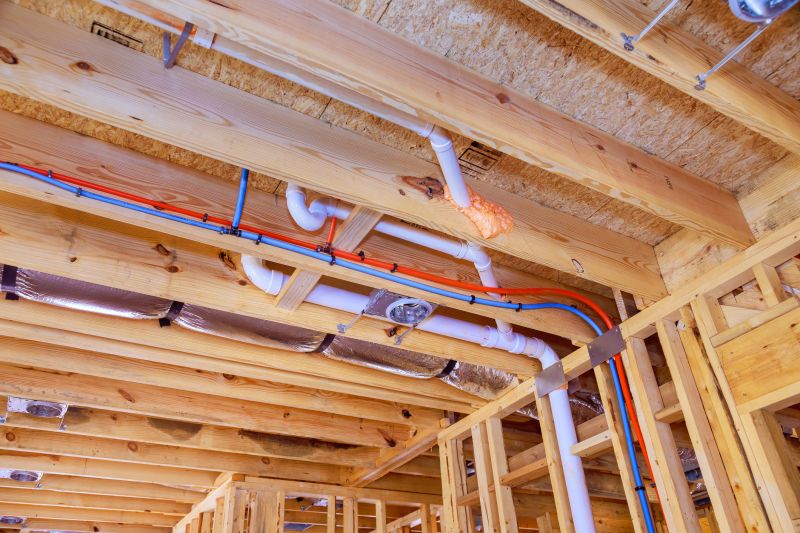
Piping replacement services involve removing outdated, damaged, or corroded pipes and installing new piping systems to ensure reliable water, gas, and waste flow throughout a property. This process typically includes assessing the existing piping infrastructure, selecting appropriate materials, and carefully replacing old pipes with modern, durable options. The goal is to improve the overall functionality of the plumbing system, prevent leaks, and reduce the risk of future plumbing issues that can lead to costly repairs or water damage.
These services are essential for addressing a variety of plumbing problems. Over time, pipes can become corroded, develop leaks, or become clogged, leading to reduced water pressure, leaks, or water quality concerns. Older properties may have piping made from materials that are no longer considered safe or efficient, such as galvanized steel or outdated clay pipes. Replacing these pipes can help resolve persistent plumbing problems and ensure the property meets current standards for safety and performance.
Piping replacement is commonly needed in residential properties, including single-family homes, multi-family buildings, and condominiums. It may also be required in commercial properties that have aging plumbing infrastructure. Homeowners often seek piping replacement when they notice signs like frequent leaks, low water pressure, discolored water, or strange odors coming from the plumbing system. These indicators suggest that the existing pipes may be compromised and in need of upgrading to maintain a safe and functional plumbing system.
Local contractors who specialize in piping replacement can evaluate the specific needs of each property and recommend appropriate solutions. They work with a variety of pipe materials, including copper, PEX, or PVC, depending on the property’s requirements and local building codes. Contacting experienced service providers ensures that the piping replacement is performed correctly, helping to prevent future plumbing issues and maintain the integrity of the property’s plumbing system over time.
The overview below groups typical Piping Replacement projects into broad ranges so you can see how smaller, mid-sized, and larger jobs often compare in your area.
In many markets, a large share of routine jobs stays in the lower and middle ranges, while only a smaller percentage of projects moves into the highest bands when the work is more complex or site conditions are harder than average.
Smaller Repairs - minor pipe repairs or replacements typically cost between $250 and $600. Many routine jobs fall within this range, covering tasks like fixing leaks or replacing small sections of piping. Larger, more complex repairs can cost more, but most projects stay in the lower to mid-range prices.
Partial Replacement - replacing a section of piping or upgrading specific areas usually costs between $1,000 and $3,000. Local contractors often handle these projects efficiently within this range, though larger homes or more extensive work can increase costs.
Full Pipe Replacement - replacing all the piping in a property generally ranges from $4,000 to $10,000. Many full replacements are completed within this spectrum, but very large or complicated systems can push costs higher, especially in older buildings.
Major Renovations - comprehensive piping overhauls or replacements in large properties can exceed $15,000, with some complex projects reaching $20,000 or more. These projects are less common and typically involve extensive work and materials, leading to higher costs.
Actual totals will depend on details like access to the work area, the scope of the project, and the materials selected, so use these as general starting points rather than exact figures.
Water Line Replacement - involves replacing aging or damaged water pipes, requiring similar planning, tools, and expertise as piping replacement services.
Gas Line Installation - requires careful handling of piping systems, adherence to safety protocols, and skilled use of piping tools, making it related to piping replacement projects.
Drain and Sewer Line Repair - involves diagnosing and replacing underground piping systems, utilizing similar techniques and planning as piping replacement work.
HVAC Piping Services - includes installing or replacing ductwork and piping for heating and cooling systems, requiring precise planning and piping skills comparable to pipe replacement.
Fire Sprinkler System Installation - involves installing or replacing piping for fire suppression systems, sharing technical skills and planning processes with piping replacement projects.
Sprinkler System Repair - entails repairing or replacing piping within irrigation or fire suppression systems, utilizing similar tools and planning as piping replacement services.
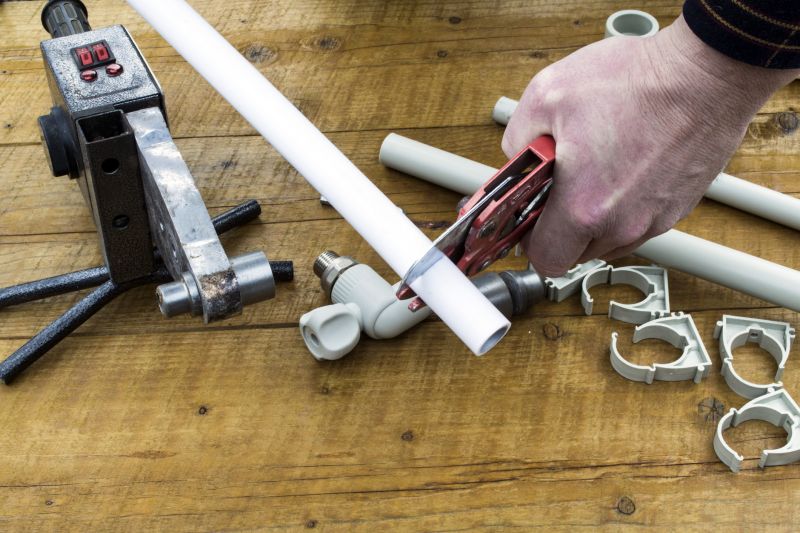
When comparing service providers for piping replacement, it’s important to evaluate their experience with similar projects. Homeowners should look for local contractors who have a proven track record of handling piping replacements in homes comparable to their own. An experienced professional will be familiar with common challenges and best practices, which can contribute to a smoother process and more reliable results. Asking for examples of past work or references related to similar projects can help gauge a contractor’s familiarity and comfort level with the specific scope of work needed.
Clear, written expectations are essential to ensure everyone is aligned on the project’s scope and deliverables. Homeowners should seek out local service providers who can provide detailed estimates or proposals that outline the work involved, materials to be used, and any other relevant details. Having this information in writing helps prevent misunderstandings and provides a basis for comparing different options. It also demonstrates a contractor’s professionalism and commitment to transparency, which can be an important factor in selecting a reliable partner.
Reputable references and good communication are key indicators of a dependable local contractor. Homeowners are encouraged to ask for references from previous clients who had similar piping replacement projects. Contacting these references can provide insights into the contractor’s work ethic, reliability, and how well they communicate throughout the process. Effective communication from the start-whether through responsiveness, clarity, or willingness to answer questions-can make the entire experience more manageable. The site’s role is to connect homeowners with local service providers who meet these criteria, helping to facilitate informed decisions without performing the work itself.
Property owners use Piping Replacement services for practical projects around their homes and businesses. This guide focuses on everyday jobs and straightforward project options.
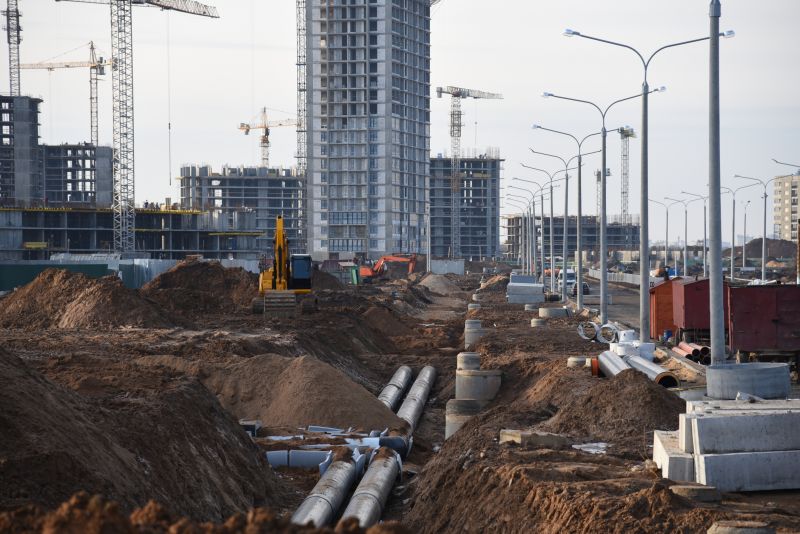
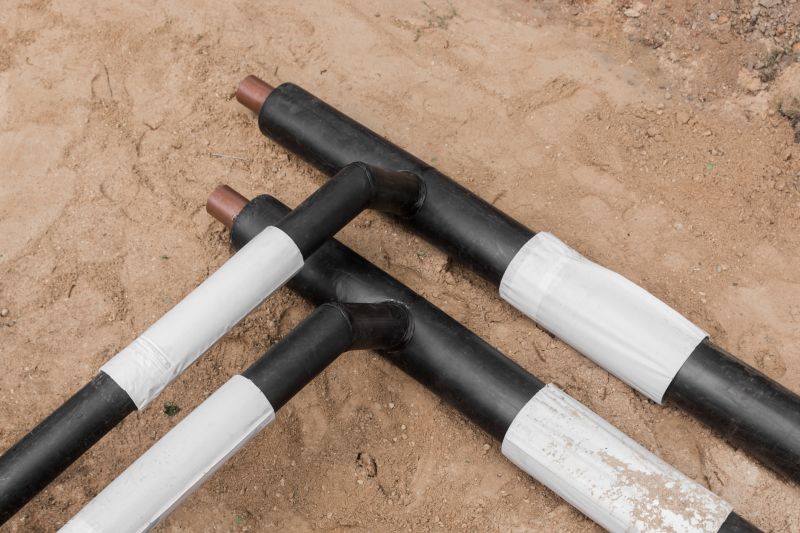
Piping replacement services are often needed when property owners notice leaks, corrosion, or reduced water pressure in their plumbing systems. These issues can arise from aging pipes, frequent usage, or minor damages over time. Local contractors can assess the condition of existing pipes and recommend replacements to help restore proper function and prevent potential water damage or costly repairs down the line.
In many cases, property owners seek piping replacement during renovations or when upgrading plumbing infrastructure to meet new standards or improve efficiency. Additionally, emergency situations such as burst pipes or significant leaks require prompt attention from local service providers who can handle the work efficiently. Connecting with experienced local contractors ensures that these common plumbing concerns are addressed with reliable solutions.
What are signs that piping replacement may be needed? Signs include frequent leaks, low water pressure, discolored or foul-smelling water, and visible corrosion or damage to pipes.
How do local contractors handle piping replacement projects? They typically assess the existing piping system, recommend suitable replacement options, and perform installations with proper techniques to ensure functionality.
Can piping replacement improve my home's water quality? Yes, replacing old or damaged pipes can reduce contaminants and improve overall water clarity and safety.
What types of pipes are commonly used in replacement services? Common options include copper, PEX, and CPVC pipes, each offering different benefits depending on the application.
Why should I consider professional piping replacement instead of attempting a DIY repair? Professional contractors have the expertise to ensure the job is done correctly, reducing the risk of future issues and potential damage.
Preventing Water Damage - Replacing aging or leaking pipes can help protect a property from water damage and costly repairs.
Improving Water Quality - Upgrading old pipes can enhance the quality of water for daily use throughout the home.
Increasing Plumbing Efficiency - Modern pipe replacements can improve water flow and reduce issues like clogs or low pressure.
Preparing for Renovations - Installing new piping can support remodeling projects that require updated or expanded plumbing systems.
If you are thinking about Piping Replacement for a property, this guide is meant to help you understand the work, the typical project types, and how different options might fit your plans.
When you are ready, you can use the quote form on this page to share a few details about your project. From there, local pros can review the basics and respond with options that match what you have in mind.